
Insulation Board Cut to Size: A Guide for Roofing and HVAC Contractors
Cutting insulation to fit around roof details, equipment or building services can take time, particularly when every board needs to be measured, marked and trimmed on site. For larger projects, or where components need to follow precise profiles, that preparation can become a significant part of the installation process.

Having insulation boards cut to size before they arrive on site means components can be prepared around the requirements of the project, from basic dimensions through to tapers, profiles, rebates, channels and cut-outs. A more precise fit can help minimise gaps between boards and reduce cold bridging, helping to maintain the thermal performance of the insulation.
Different materials call for different cutting methods, including CNC hot wire cutting, wire cutting, routing and milling. Preparing components to required dimensions before they reach the site can also reduce material waste which can help make installation efficient and cost effective.
So what can be cut, which processes are available, and where can bespoke insulation components make a difference? This guide covers the materials Perudo works with, the cutting methods available and the types of components that can be produced for roofing, HVAC and building services applications.
From simple cuts to bespoke components
Cut-to-size insulation can cover much more than standard boards. Depending on the project, components can include:
- Straight-cut boards and panels to specified dimensions
- Tapers and cut-to-falls profiles for flat roofing
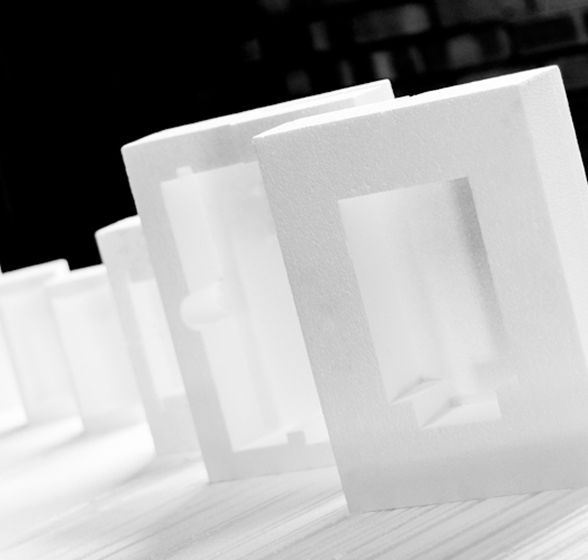
- Profiles and infills to suit particular shapes or details
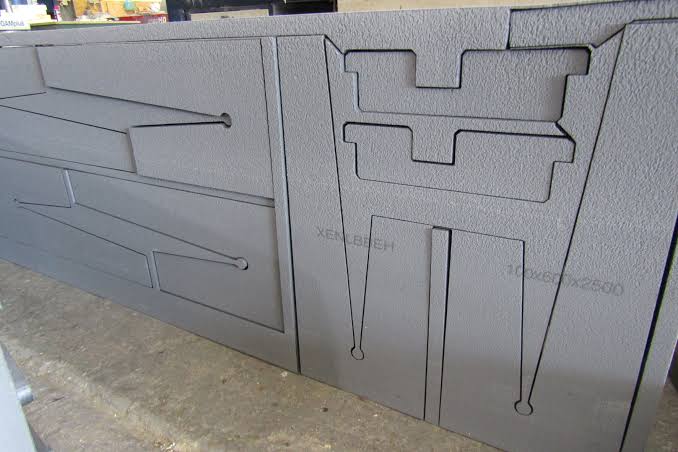
- Cut-outs, pockets, channels and rebates for fixings, services or interfaces
- Collated components and kits prepared for specific areas of a building
Ultimately, the finished components can be supplied in a format that suits the installation process, prepared for their intended position, rather than requiring further cutting or adaptation on site.
Which insulation boards can be cut to size?
At Perudo, we process a wide range of insulation materials in block, slab and board form. The cutting method is chosen according to the material, its density and the shape or finish required
PIR and PUR boards
Rigid PIR and PUR boards offer high thermal performance and are used across applications including roofs, walls, floors, equipment housings and transport. They can be cut to specific dimensions or processed into bespoke components where the project requires more than a standard board.
Mineral wool and stone wool
Mineral wool and stone wool are commonly specified where thermal, acoustic and fire performance are important. They can be processed for applications including roofing, walls, HVAC products and ducting, with the cutting method selected according to the material and component required.
EPS and XPS
EPS and XPS polystyrene are widely used for insulation, structural infills and thermal applications across construction, modular building and refrigeration. These materials are particularly suited to CNC hot wire cutting where repeatable profiles or shaped components are required.
Specialist insulation materials
Perudo also processes specialist materials including foam glass, phenolic board and calcium silicate for applications with specific thermal, fire, acoustic or structural requirements.
Each material requires an appropriate cutting approach. For example, the process used for EPS and XPS is different from that used for foam glass.
If you are working with foam glass specifically, see our guide to Foam Glass Insulation: Cutting and Bespoke Sizing Explained.
Insulation board cutting methods
Perudo uses several cutting processes in-house, so the method can be matched to the material and the finished part.
| Method | Best suited to | Typical result |
|---|---|---|
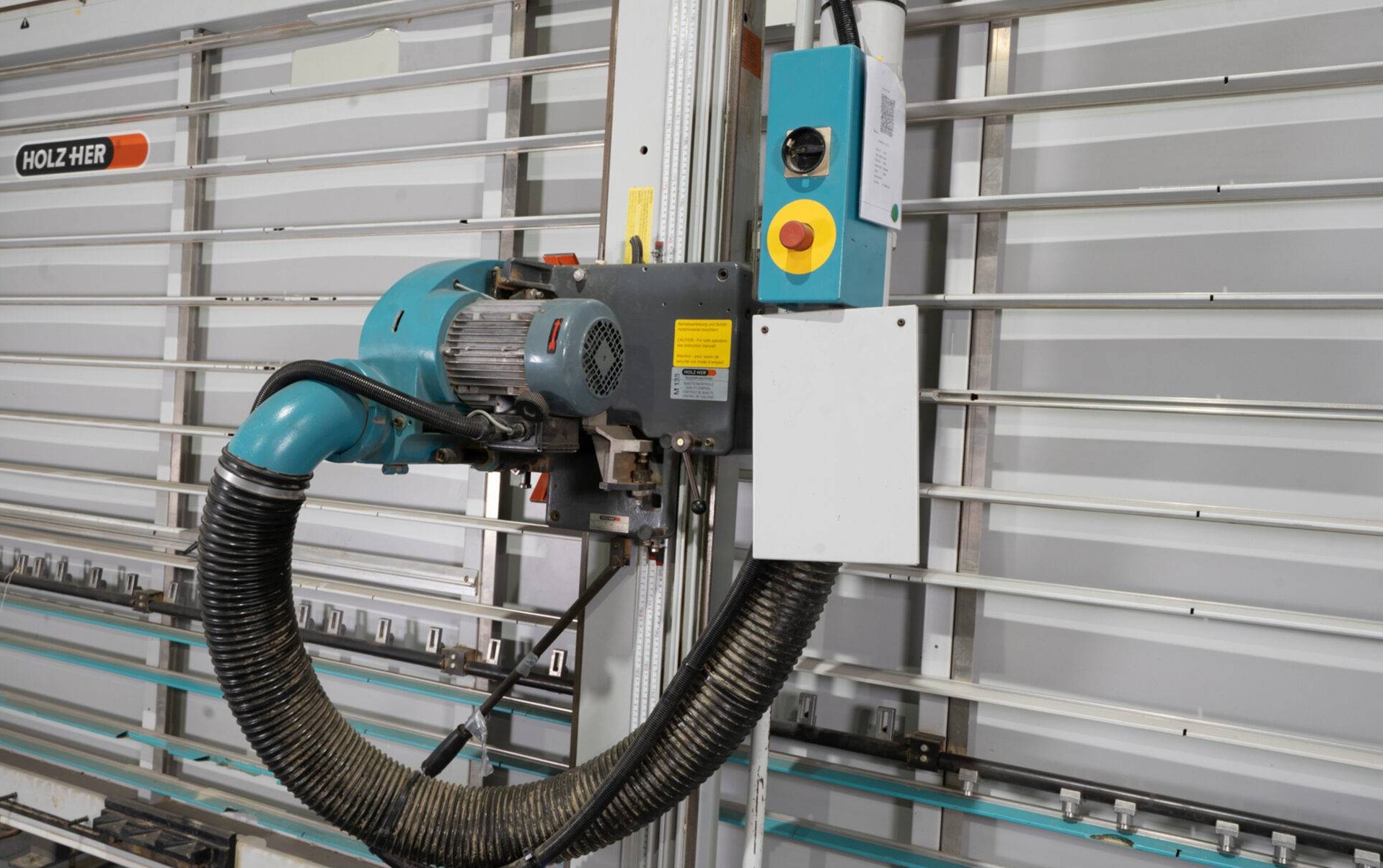
| Vertical panel saw | Fast, accurate sizing of boards and panels | Clean, square cuts to standard or specified sizes |
| CNC wire cutting (abrasive wires) | Dense or fibrous block and slab materials | Accurate profiles, tapers and infills |
| CNC hot wire cutting | EPS and XPS polystyrene only | Rapid, repeatable profiled parts |
| CNC routing | Boards and panels that need detailed features | Pockets, channels, rebates and access cut-outs |
| CNC milling | Light-grade rigid foams and polystyrene | More complex geometry and curved forms |
Some projects combine processes, for example sizing boards on a panel saw before routing cut-outs into them. For more on how wire cutting and routing compare, see Hot Wire Cutting vs CNC Routing: Which Process Is Right for Your Project, or find out more about our CNC routing and cutting service.
Tapered roofing insulation
A flat roof still needs falls to direct rainwater towards outlets and drainage points. Tapered insulation can create these falls within the insulation layer, reducing the need to form the gradient within the roof deck.
Because every roof has its own dimensions, outlets, upstands and changes in direction, tapered roofing insulation is generally designed and cut to suit the individual roof layout. Boards are cut to different thicknesses and angles so that they form the required gradient when installed together.
Roofing projects may also require bespoke components such as:
- Cut-to-falls profiles around outlets
- Upstand boards
- Perimeter and edge details
- Cavity closers
- Fire-resistant infills
- Components around changes in direction or level
Delivered as installation-ready kits
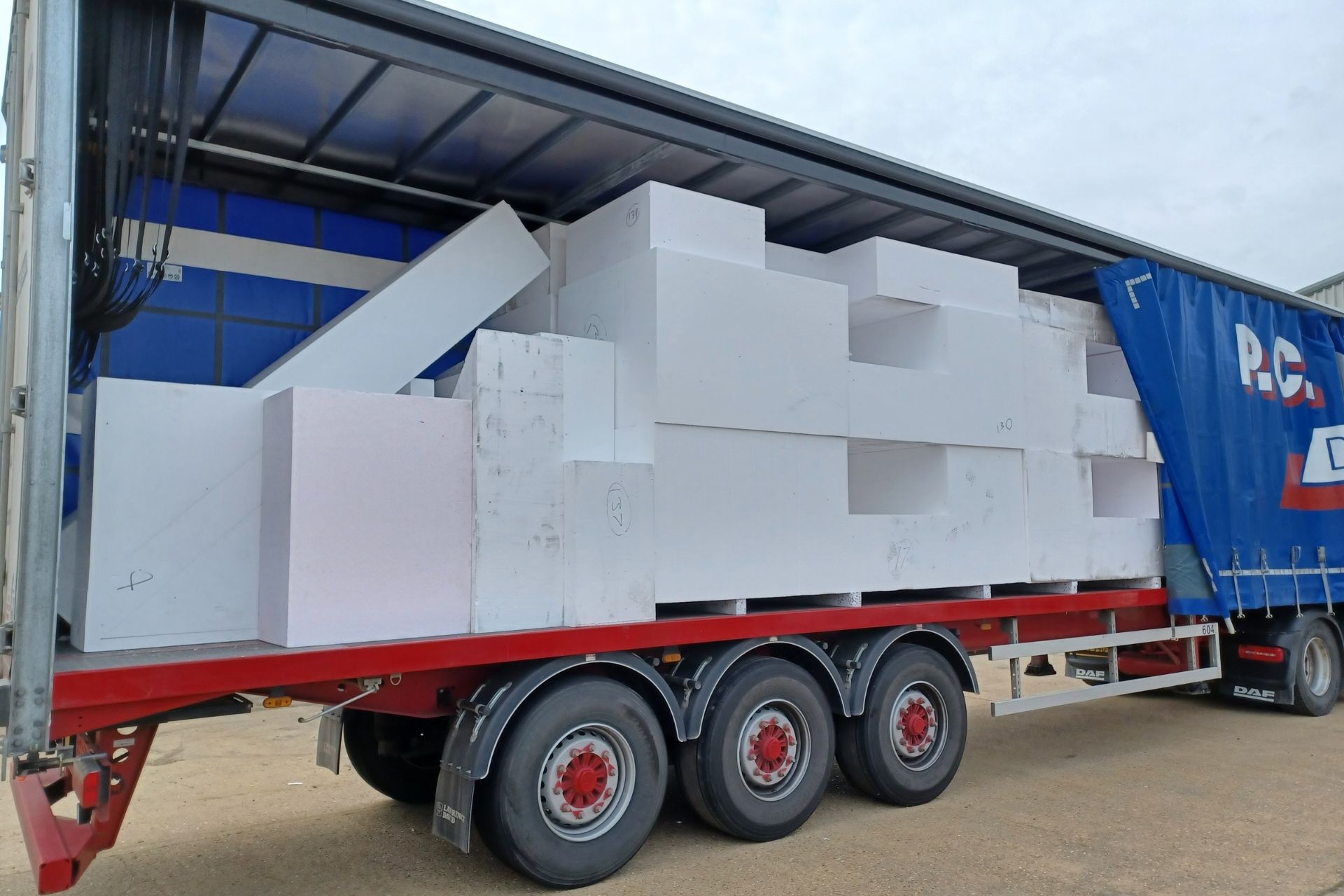
For larger roofing projects, components can also be grouped by roof area or installation stage, making it easier for installers to identify the correct pieces without sorting through multiple pallets or batches on site.
On a roofing project in Battersea, our team processed bespoke stone wool insulation and fire-resistant perimeter panels for several roof areas, supplying the components as installation-ready kits.
Cut-to-size insulation for HVAC and building services
HVAC and building services applications often require insulation to fit around equipment, pipework, ducting and other components. For manufacturers of building products and HVAC equipment, programmed cutting can help produce repeatable components from one batch to the next.
Typical applications include:
- Ducting supports and housings
- Bespoke refrigeration panels
- Thermal inserts for equipment
- Pipework supports and plant insulation
- Acoustic panels
- Underfloor heating boards
You can see more examples on our building products and HVAC application page.
What do you need to provide for a quote?
The more information available at the start, the easier it is to determine the right processing method. The following details can help us provide an accurate quotation:
- Drawings, CAD files or detailed dimensions
- The insulation material and thickness specified
- For tapered roofing insulation, the roof layout, required falls and outlet positions, or an existing taper design
- Required quantities
- Whether the requirement is a one-off project or ongoing supply
- Any required tolerances or finishing specifications
- Preferred delivery format, such as palletised components or kits collated by area
You don’t have to have every detail finalised before reaching out to us. If you have a drawing, specification or initial project requirement, we can talk you through what’s needed and come up with an appropriate approach.
Specialist insulation processing from Perudo
With more than 50 years of manufacturing experience, Perudo works across construction, manufacturing and creative industries, producing everything from precision-cut roofing insulation and HVAC components to EPS processing and bespoke fabricated parts.
We understand that insulation requirements can vary from one project to the next. Our team works from your drawings, dimensions and specifications to identify the right process for the material and finished component, with cutting, routing, finishing and dispatch handled in-house.
Our insulation processing service covers a wide range of materials and applications, from straightforward cut-to-size boards to complex profiled and tapered components.
If you have insulation board that needs to be cut to size, tapered or profiled for a roofing, HVAC or building services project, speak to our expert team about your project.
A few of
our clients







Read all our News & Insights
-

Hot Wire Cutting vs CNC Routing: Which Process Is Right for Your Project
Polystyrene converting and CNC routing and milling offer different manufacturing advantages, with Perudo helping you select the right process for your project.
-

Foam Glass Insulation: Cutting and Bespoke Sizing Explained
Foam glass insulation can be cut to size, tapered and profiled for roofing, flooring and industrial applications, with bespoke insulation processing from Perudo.
-

CNC Polystyrene Milling Explained: Precision Shapes for Complex Projects
Polystyrene converting and CNC routing and milling offer different manufacturing advantages, with Perudo helping you select the right process for your project.
-

What Is Hot Wire Foam Cutting and When Should You Use It?
Hot wire foam cutting creates precise, repeatable profiles in EPS and XPS polystyrene, offering an efficient solution for construction, packaging, display and insulation projects.