
Foam Glass Insulation: Cutting and Bespoke Sizing Explained
Foam glass insulation is used where strength, moisture resistance and non-combustible performance matter. But when it needs to fit a specific roof, floor or building detail, standard boards may not be enough.
Also known as foamed glass or cellular glass insulation, foam glass is a rigid, closed-cell material made from crushed recycled glass. Commonly supplied in blocks or slabs, it can be cut, sized and profiled to suit different applications, from roofs and under-slab flooring, to bespoke components and industrial insulation.
In this guide, we look at where foam glass is used, how it can be cut and profiled, and what to consider when you need bespoke components.

What is foam glass insulation?
Foam glass insulation is produced by mixing finely ground recycled glass with a foaming agent, then applying heat until it expands to form a rigid, lightweight, closed-cell structure.
You might see foam glass insulation referred to by several names, including foamed glass and cellular glass insulation. These terms generally describe the same type of material.
Manufacturers use their own product names, and properties vary from one product to another, so use the manufacturer’s technical data to check properties such as thermal performance and fire classification.
Why is foam glass insulation specified?
Foam glass is often used where insulation needs to provide more than just thermal performance.
High compressive strength
Foam glass can withstand significant loads with relatively little deformation. This makes it suitable for applications such as load-bearing floors, foundations, roofs and areas beneath heavy equipment or plant.
Resistance to moisture
Its closed-cell structure gives foam glass very low water absorption and strong resistance to moisture and vapour. This can make it suitable for applications where insulation may be exposed to damp conditions.
Non-combustible properties
As a glass-based material, foam glass is inert and non-combustible. It is classified as Euroclass A1, the highest fire classification, indicating that it is fully non-combustible and does not contribute to fire spread or smoke production. As product specifications can vary, the manufacturer’s technical documentation should be checked for project-specific requirements.
Stability and durability
Foam glass is resistant to rot and is not a food source for pests. It also retains its shape and dimensions over time, which is ideal for long-life building applications.
Where is foam glass insulation used?
Foam glass can be used across a range of building and industrial applications, including:
- Flat roofs, including compact and tapered roof systems
- Load-bearing floor and foundation insulation
- Plinths, wall bases and other details where thermal bridging needs to be reduced
- Terraces, podiums and roof gardens where insulation sits under significant load
- Cold stores, refrigeration and other low-temperature environments
- Industrial applications, including pipework, tanks and plant
In many of these applications, insulation may also need to fit around upstands, drainage outlets, fixings and penetrations, or create a fall across a roof. That’s where accurate cutting and bespoke sizing can be useful.
For roofing and building services components more generally, see our work across building products and HVAC.
Why cut foam glass insulation off-site?
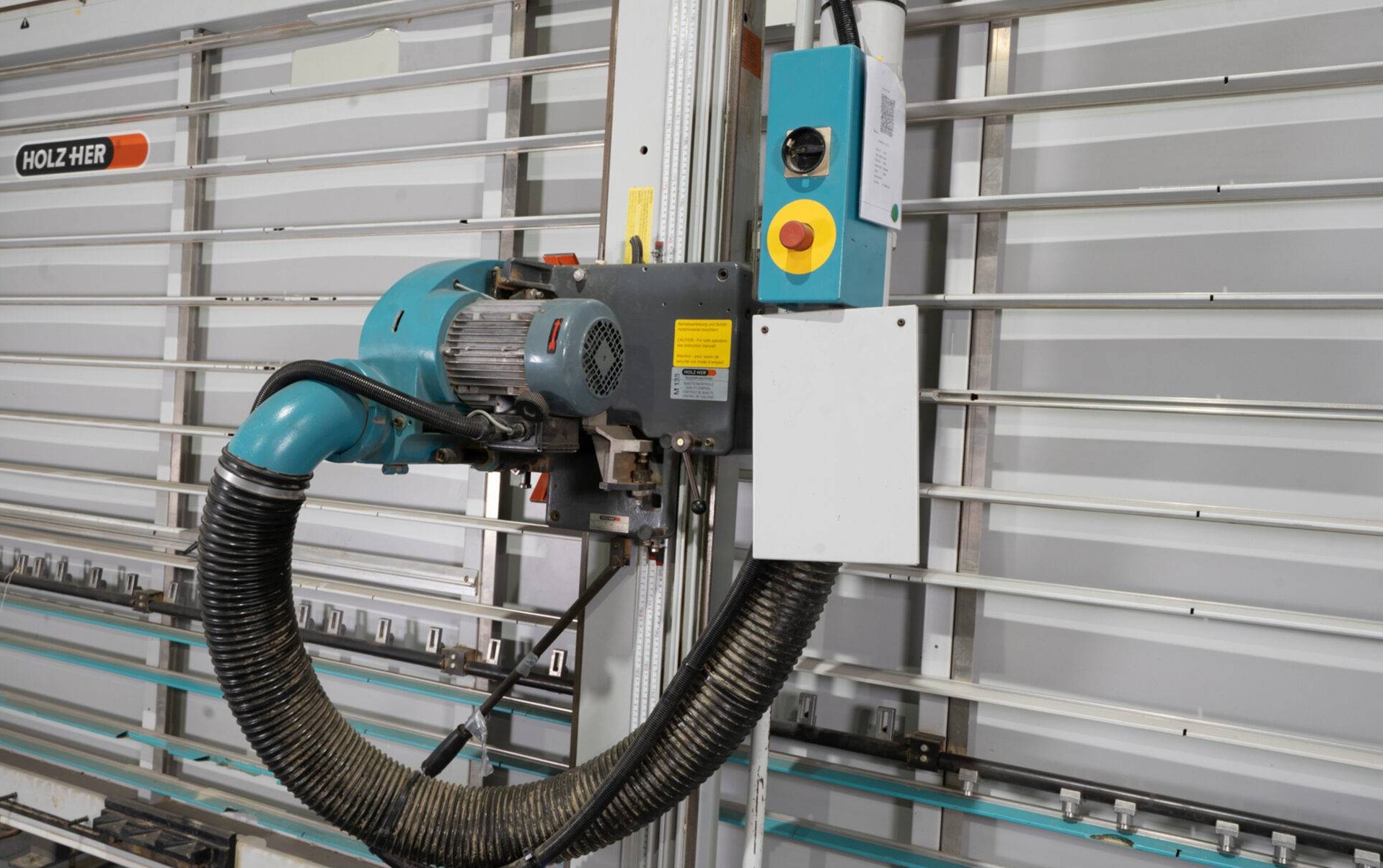
Foam glass is rigid and relatively brittle. Unlike softer insulation boards, it does not flex or compress to hide an inaccurate cut, so any error shows up as a gap, a stepped joint or a board that will not sit properly. Cutting it on site with hand tools can also leave chipped or uneven edges and create dust and waste, particularly when many boards need the same profile.
Processing foam glass under controlled conditions can help you:
- Achieve consistent dimensions across multiple components
- Produce clean, accurately formed edges
- Reduce breakage and material waste
- Reduce cutting and dust-generating work on site
- Receive components ready to fit into the intended detail
This can be particularly useful where a project involves a large number of bespoke pieces or where insulation needs to follow a specific roof, floor or building-services detail.
Bespoke sizing and profiling for foam glass
At Perudo, we process foam glass as part of our insulation processing service, taking block, slab or board material and cutting it to the sizes, shapes and profiles your project needs.
We start with your end use, tolerances and installation requirements, then choose the cutting approach that suits the material and the geometry.
Cut to size
For standard sizing requirements, foam glass boards and slabs can be cut to specific dimensions to provide consistent components for installation.
Profiles and tapers
Some details need more than a straight cut. Computer-controlled wire cutting can produce accurate profiles and tapers from block and slab material, so components follow the shape the detail requires.
Features and cut-outs
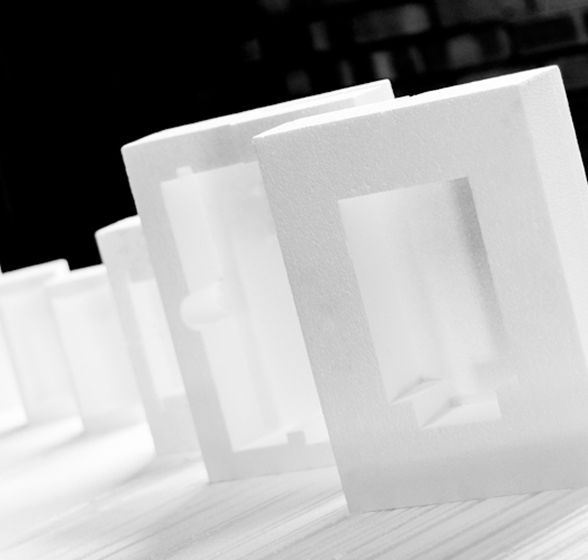
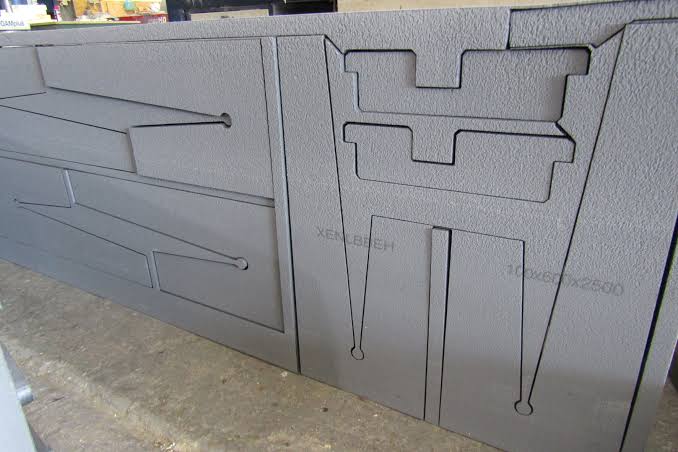
Where a board needs pockets, channels, rebates or access cut-outs, CNC routing gives greater control over those details. You can find out more about the process on our CNC routing and cutting service page.
Ready for installation
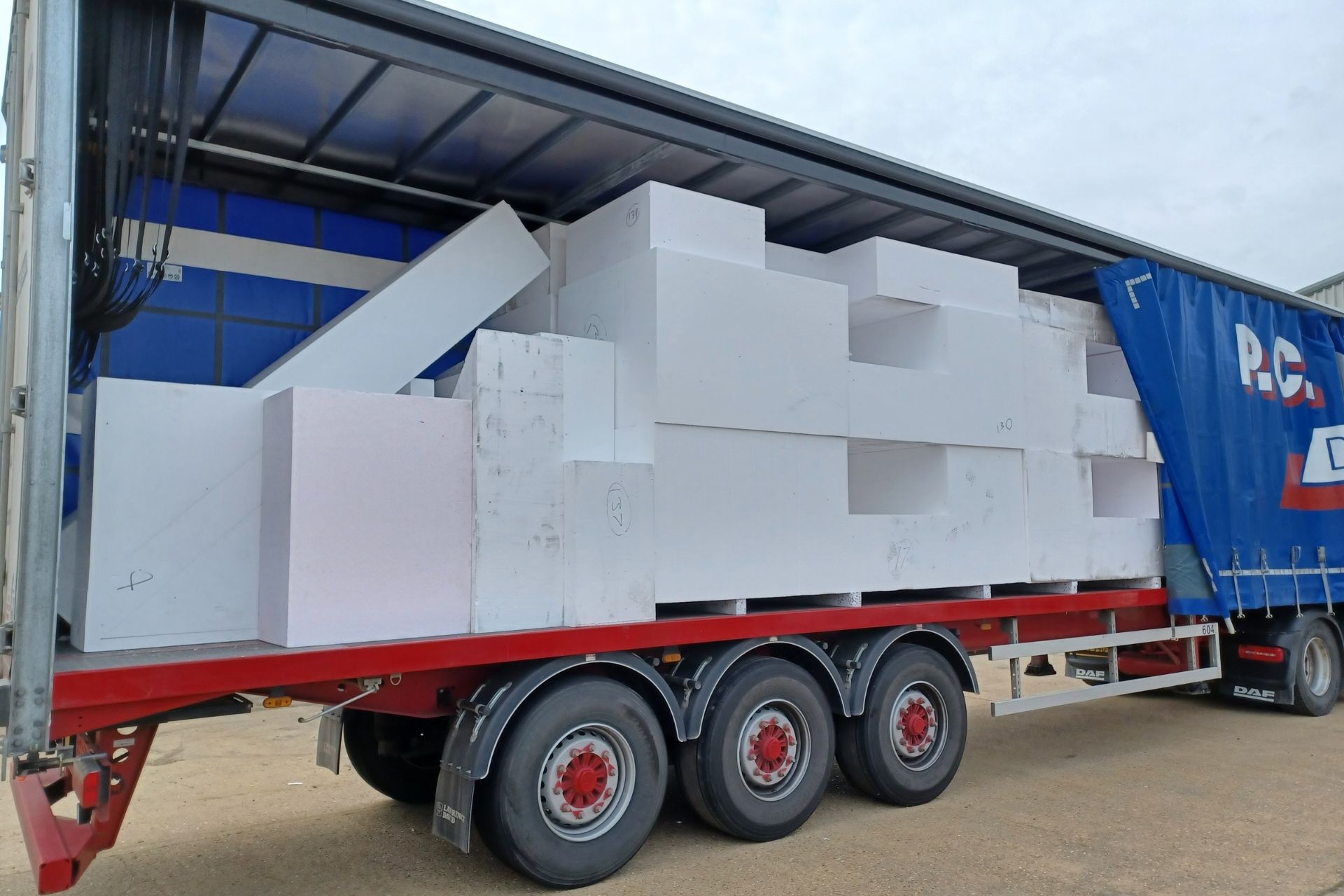
Once cut, components can be palletised for delivery or collated into kits, so the right parts arrive together, ready for the area they are going into.
Foam glass processing to your specification from Perudo
At Perudo, we have more than 50 years of manufacturing experience, with the equipment and in-house expertise to process foam glass into the shapes and sizes your project requires.
If your project uses a mix of insulation materials, for example across a roof build-up, read our guide to Insulation Board Cut to Size: A Guide for Roofing and HVAC Contractors.
If you have foam glass insulation that needs to be cut to size, tapered or profiled, talk to our team about your project.
A few of
our clients







Read all our News & Insights
-

Hot Wire Cutting vs CNC Routing: Which Process Is Right for Your Project
Polystyrene converting and CNC routing and milling offer different manufacturing advantages, with Perudo helping you select the right process for your project.
-

Foam Glass Insulation: Cutting and Bespoke Sizing Explained
Foam glass insulation can be cut to size, tapered and profiled for roofing, flooring and industrial applications, with bespoke insulation processing from Perudo.
-

CNC Polystyrene Milling Explained: Precision Shapes for Complex Projects
Polystyrene converting and CNC routing and milling offer different manufacturing advantages, with Perudo helping you select the right process for your project.
-

What Is Hot Wire Foam Cutting and When Should You Use It?
Hot wire foam cutting creates precise, repeatable profiles in EPS and XPS polystyrene, offering an efficient solution for construction, packaging, display and insulation projects.