
Hot Wire Cutting vs CNC Routing: Which Process Is Right for Your Project
When you need to turn a block or sheet of material into a precise component, there are several ways to approach it. Two of the most useful are hot wire cutting and CNC routing, but knowing which process is right for your project isn’t always straightforward.
Both can produce accurate, repeatable shapes, but they work in very different ways. At Perudo Realisations, we run both processes in-house, so we can look at your material, design and production requirements and recommend the approach that makes the most practical sense.

What is hot wire cutting?
Hot wire cutting uses a heated wire, guided by CNC control, to melt a clean path through polystyrene along a programmed profile. Rather than physically removing material with a cutting tool, the heated wire passes through the foam to create the required shape.
The process is particularly well suited to expanded polystyrene (EPS) and extruded polystyrene (XPS). It can produce clean, consistent profiles quickly, making it a useful option when you need multiple components with the same shape.
Once the profile has been programmed, the same shape can be produced consistently across a production run, with minimal material waste.
If you want to understand the process in more detail, read our guide to What Is Hot Wire Foam Cutting and When Should You Use It.
You can also find out more about Perudo’s polystyrene converting services.
What are CNC routing and CNC milling?
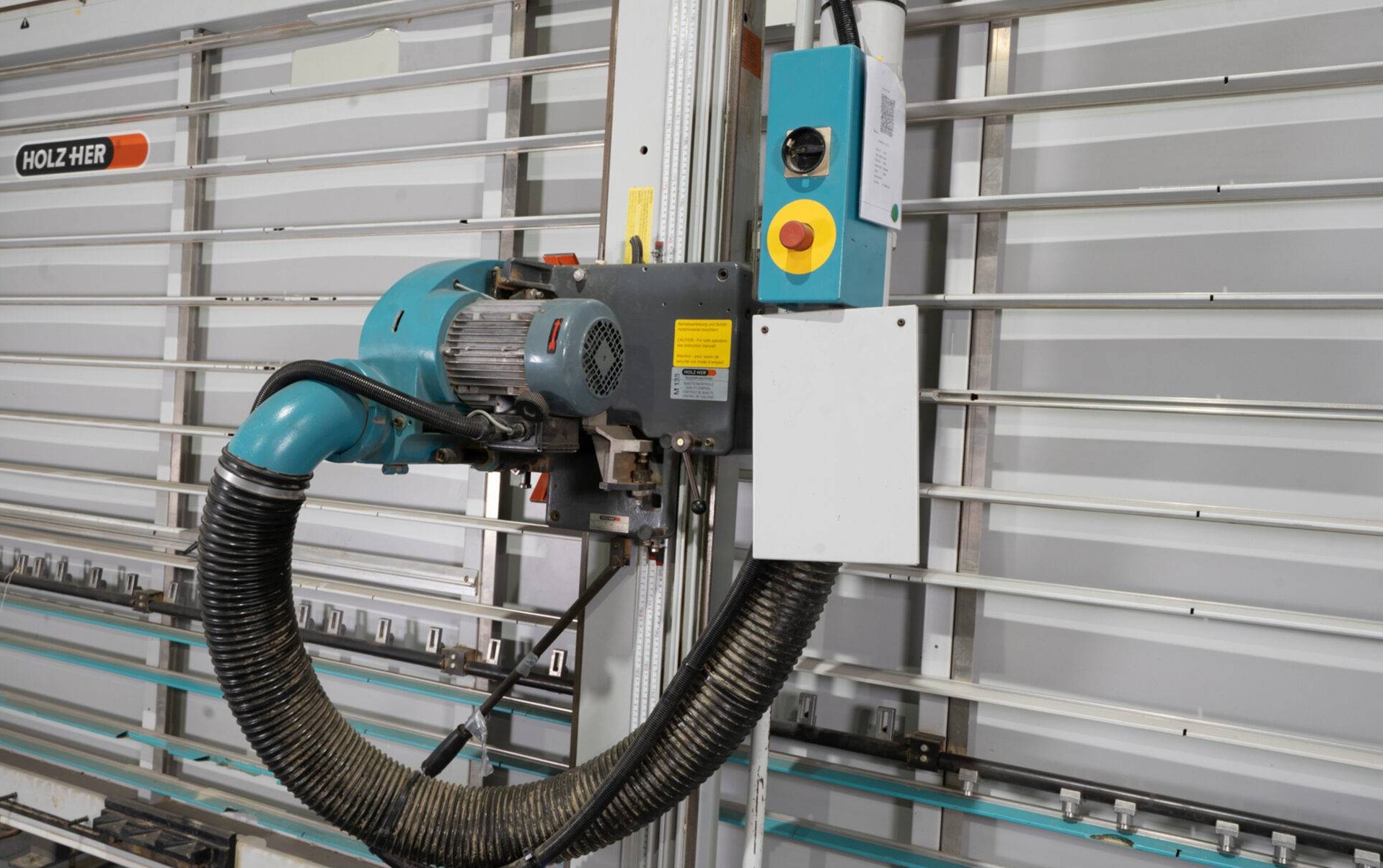
CNC routing and CNC milling are two processes that take a different approach. Instead of using a heated wire, a computer-controlled cutting head physically removes material to create the required shape.
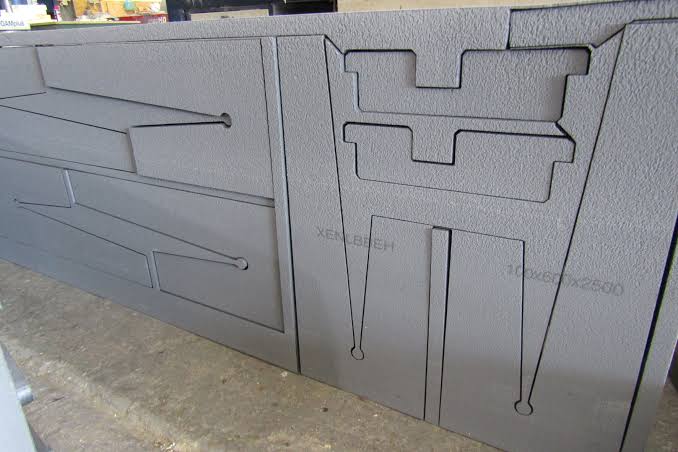
This gives you much greater control when a project involves detailed features, complex geometry or more demanding tolerances. CNC routing can create features such as pockets, channels, rebates and access cut-outs, as well as more complex profiles and compound curves.
Material compatibility is another key difference. While hot wire cutting is primarily used for EPS and XPS, CNC routing can be used across a much wider range of materials, including polystyrene, insulation boards, wood, plastics, aluminium composite panels (ACP) and composite sandwich panels.
For a closer look at what this can achieve with polystyrene, see CNC Polystyrene Milling Explained: Precision Shapes for Complex Projects.
You can also explore Perudo’s CNC routing and cutting service.
Hot wire cutting vs CNC routing: the key differences
| Hot wire cutting | CNC routing and milling | |
| How it cuts | Heated wire melts through the material | Cutting tool physically removes material |
| Best suited to | Straightforward, repeatable profiles | Detailed and complex shapes |
| Main materials | EPS and XPS | Polystyrene, insulation boards, wood, plastics, ACP and composite panels |
| Complexity | Simple to moderately complex profiles | Complex 3D forms, curves and detailed features |
| Detail | Best for clean profile cuts | Better suited to pockets, channels, rebates and cut-outs |
| Production | Efficient for repeatable profiles and volume production | Suitable where precision and detail are key |
| Typical applications | Structural fills, formwork, packaging and display shapes | Detailed components, bespoke fabrication, prototypes and complex forms |
The best choice usually comes down to the material you’re working with, the shape you want to produce and the level of detail required.
When is hot wire cutting the right choice?
Hot wire cutting is a great starting point when you need a consistent profile repeated across a number of components.
For example, it can be well suited to:
- EPS or XPS components with relatively simple profiles
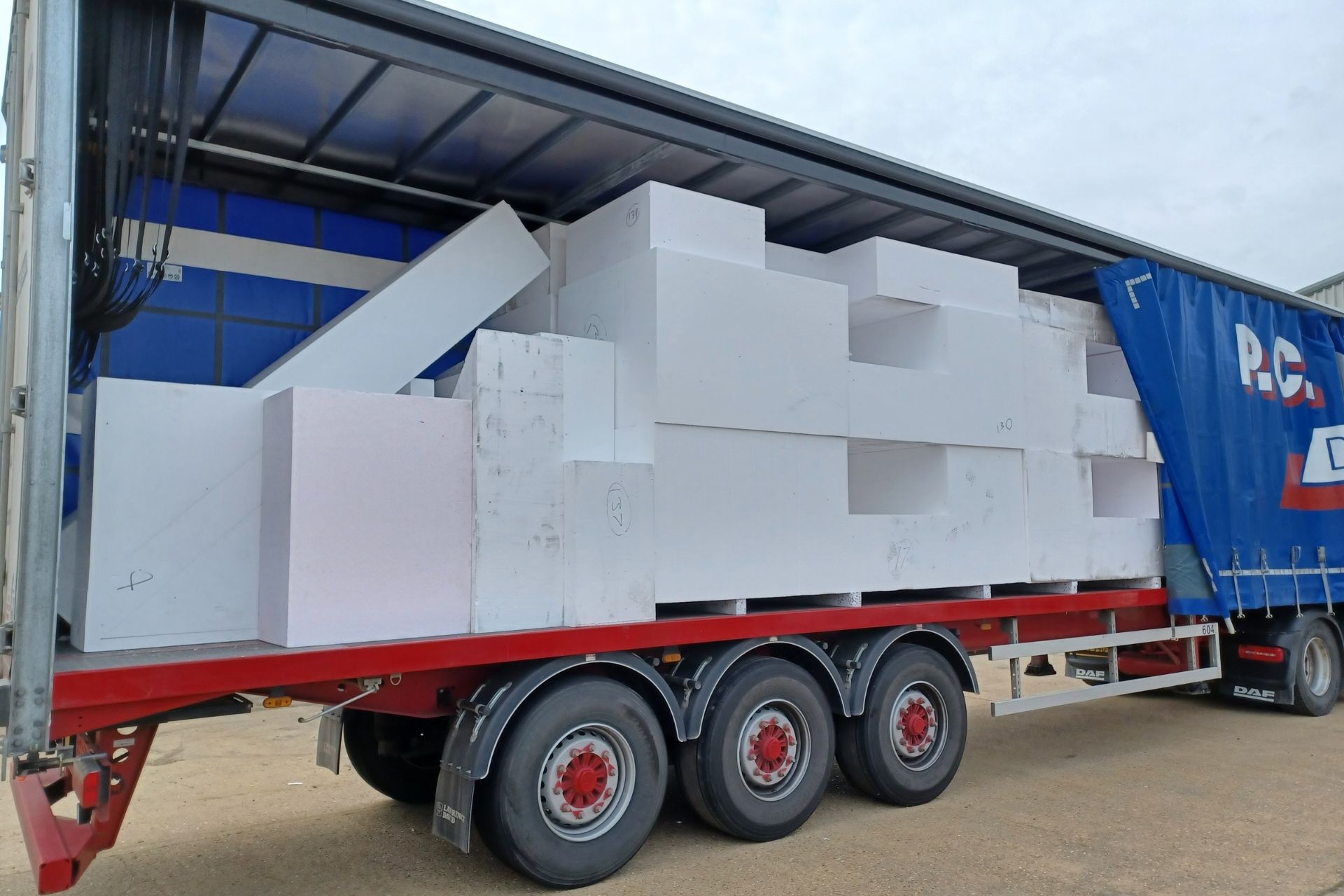
- Structural fill and formwork for concrete pre-cast and construction
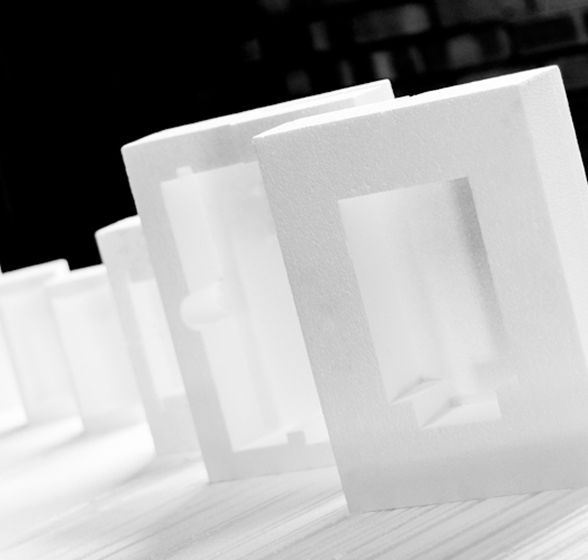
- Bespoke packaging inserts
- Protective packaging for specialist or fragile products
- Sculptural or display shapes with a clearly defined profile
- Insulation components that require a consistent profile
- Larger production runs where speed and consistency are important
If the main requirement is to produce the same profile accurately and efficiently, using a more detailed machining process might add unnecessary complexity to production.
When is CNC routing the better option?
CNC routing becomes more appropriate when the design calls for features that cannot be achieved using a standard wire-cut profile.
You may want to consider CNC routing if your project requires:
- Complex 3D geometry
- Compound curves
- Tight or repeatable tolerances
- Pockets, channels or rebates
- Access cut-outs
- Detailed surface features
- Materials other than EPS or XPS
- A combination of different materials or machining requirements
Unlike hot-wire cutting, which is limited to EPS and XPS, CNC routing and milling can be used with a much wider range of materials.
It is particularly useful when the finished component needs to fit into another part of a wider assembly. Producing the required detail accurately during machining can reduce the need for adjustments later in the process.
For architects, designers, production managers and designers, and contractors, this can be important when a component has been designed around specific dimensions or interfaces.
Can hot wire cutting and CNC routing be combined?
Some projects benefit from using both processes.
Hot wire cutting can be used to produce the bulk profile before CNC routing and CNC milling add more detailed features. Using each method for the part of the job it is best suited to can be more efficient than relying on a single process for the entire component.
For example, a larger EPS component could first be hot-wire cut to cut its overall profile, removing excess material before CNC machining. This leaves less material to remove during the machining process, helping reduce both waste and the time needed to introduce channels, rebates or other detailed features.
The most efficient approach will depend on what the component is being used for, the material type and how it will be applied. It’s worth discussing the project as a whole rather than specifying a cutting process in isolation.
Choosing the right process for your project
If you are unsure whether your project needs hot wire cutting or CNC routing, start with four questions:
What material do you require?
If you are working with EPS or XPS, hot wire cutting may be suitable for a simpler profile. For wood, plastics, ACP and other materials (that cannot be hot-wire cut), CNC routing may be more appropriate.
How complex is the shape?
A simple profile can often be produced efficiently with hot wire cutting. More complex 3D geometry and detailed features are better suited to CNC routing and milling.
How much detail does the finished part need?
If you need pockets, channels, rebates or cut-outs, CNC routing generally gives you greater control over those features.
How many parts do you need?
For repeated profiles, hot wire cutting can provide an efficient and consistent production method. Where the design is more complex, CNC routing may be the better fit regardless of volume.
Ultimately, the right process is the one that delivers the required component efficiently without adding unnecessary complexity to production.
Why work with Perudo?
The advantage of working with a manufacturer that offers both processes in-house is that you do not need to arrive with the manufacturing method already decided.
Perudo can look at your specification, drawing or concept and consider the material, geometry and intended application before recommending the most appropriate approach. Our manufacturing services cover both polystyrene converting and CNC routing and milling, allowing us to select the process that best fits the brief.
If you have a design or specification but are unsure which manufacturing process you need, talk to our team about your project. We can help you work through the options and find an approach that fits the finished component you need.
A few of
our clients







Read all our News & Insights
-

Hot Wire Cutting vs CNC Routing: Which Process Is Right for Your Project
Polystyrene converting and CNC routing and milling offer different manufacturing advantages, with Perudo helping you select the right process for your project.
-

Foam Glass Insulation: Cutting and Bespoke Sizing Explained
Foam glass insulation can be cut to size, tapered and profiled for roofing, flooring and industrial applications, with bespoke insulation processing from Perudo.
-

CNC Polystyrene Milling Explained: Precision Shapes for Complex Projects
Polystyrene converting and CNC routing and milling offer different manufacturing advantages, with Perudo helping you select the right process for your project.
-

What Is Hot Wire Foam Cutting and When Should You Use It?
Hot wire foam cutting creates precise, repeatable profiles in EPS and XPS polystyrene, offering an efficient solution for construction, packaging, display and insulation projects.